
We have been hearing all about the dangers of seed oils over the last couple of years, especially with the new dietary guidelines published by the HHS. So let’s talk about the good, the bad, and the ugly.
So, what are seed oil? This term refers to a group highly processed vegetable oils used for baked goods, salad dressing, etc. These include canola (or rapeseed), corn, cottonseed, safflower, soybean, sunflower, peanut, grapeseed, and so on. Some argue they are unhealthy and contribute to inflammation due to their high Omega-6 content while others report they are a good source of needed nutrients when consumed as part of a balanced diet. So which is it?
Like with most things, there is not a clear cut answer. The fact is, in and of themselves, there is nothing wrong with seed oil. They are, in fact, a good source of PUFA’s (poly unsaturated fatty acids) which we know are good for us. However, the problem, as I see it, is two fold. First, seed oils generally need to be highly refined, oftentimes using chemicals such as hexane for extraction, as well as high heat which results in a high level of free radicals. Free radicals result in oxidation of our cells and healthy tissues… which is bad. In addition, these types of oils are often unstable and oxidize easily when heated, further releasing free radicals.
The second problem is regarding the amount and type of fatty acids these oils contain. Seed oils are known to contain high levels of linoleic acid and the processing further increases these levels. Linoleic acid is an Omega-6 fatty acid. We do need to consume Omeage-6 fatty acid, so please don’t get the idea that it is bad for us. However, when it is out of balance with Omega-3 fatty acids, it can become a problem. Some studies have suggested high Omega-6 consumption is linked to chronic disease, such as heart disease and diabetes (however more study is needed). Highly processed seed oils are cheap and therefore what is used in most processed foods. The biggest problem is that the standard American diet includes a lot of ultra processed foods and therefore tends to be wildly skewed towards Omega-6 which likely drives much of the chronic health conditions we see today.
So, do seed oils have a place in our diet? I would venture to say yes under the right circumstances. Again, they are not inherently unhealthy. Instead, it is the processing, the amount, and the way they are used that causes the problem. Cold pressed seed oils have beneficial nutrients such as vitamin E and are high in hearth healthy unsaturated fat that can lower LDL cholesterol. Choosing a high quality, cold pressed seed oil such as sunflower or grapeseed oil can be used in home baked goods or even frying due to their high smoke point and neutral flavor. If you chose to have some of these on hand, store them in the fridge to prevent spoilage. Personally, I cannot tolerate dairy and use a vegan butter substitute that contains cold pressed seed oils and don’t feel bad about it. But that is nearly my only source so my diet is not heavy on the seed oils.
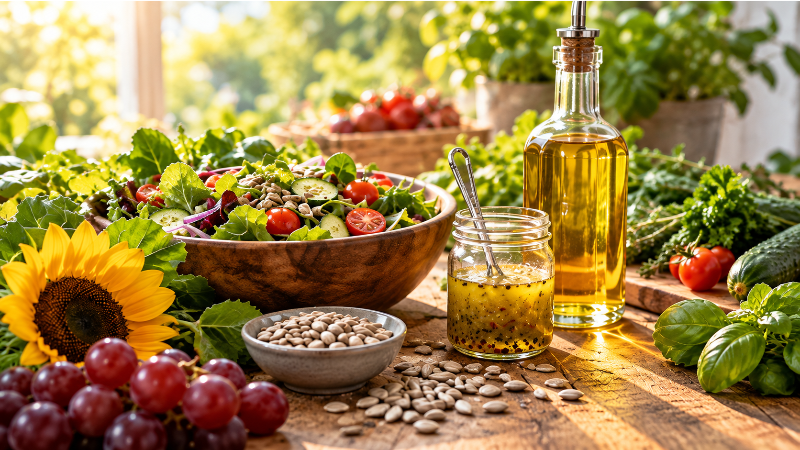
The best way to avoid unhealthy seed oils is to avoid ultra processed foods, meaning most packaged and premade foods. Reading the ingredients list on the label will help you make better choices. Making things from scratch is much easier than you might expect. For example, homemade salad dressing is a quick and easy way to eliminate a common source of seed oils. It’s simple to make something even more delicious than the store bought version and save money at the same time. For more ideas on this topic, see my earlier post called, Dressing It Up.
So, to sum it up, seed oils are not all bad. They do contain beneficial nutrients when they are cold pressed. I do highly recommend avoiding highly refined seed oils found in ultra processed foods, fast foods, and most take out. Eating a healthy, highly varied diet that is made mostly at home allows you to control the type and amount of oils you get in your diet. You are now armed with the knowledge you need to make a decision about what is best and most useful for your health and lifestyle.
